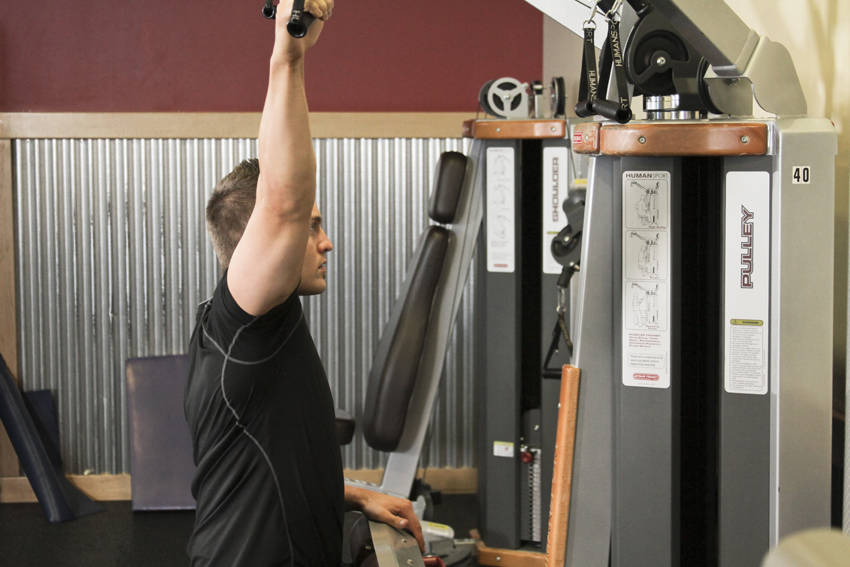
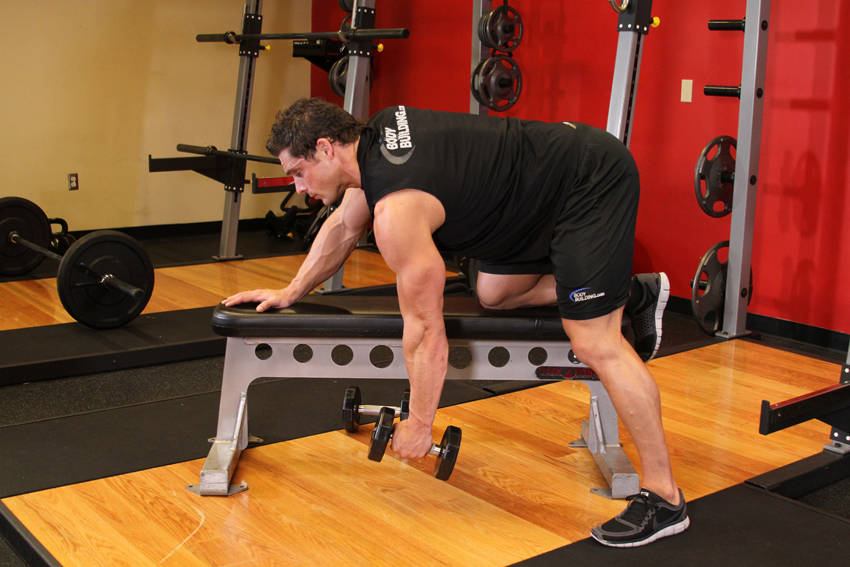
Chin-Up
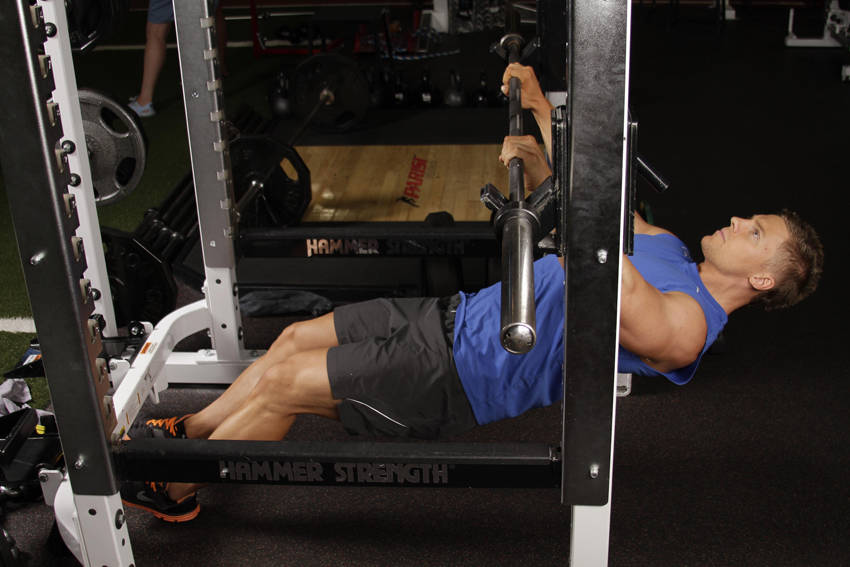
A bodyweight pulling exercise done on a bar with palms facing you, which leans more on the biceps than a standard pull up while still building the back. It can be challenging for true beginners but is a strong goal to work toward.
- Primary musclesBack
- Secondary musclesBiceps
- EquipmentBodyweight
- LevelBeginner · compound
How to do the chin-up
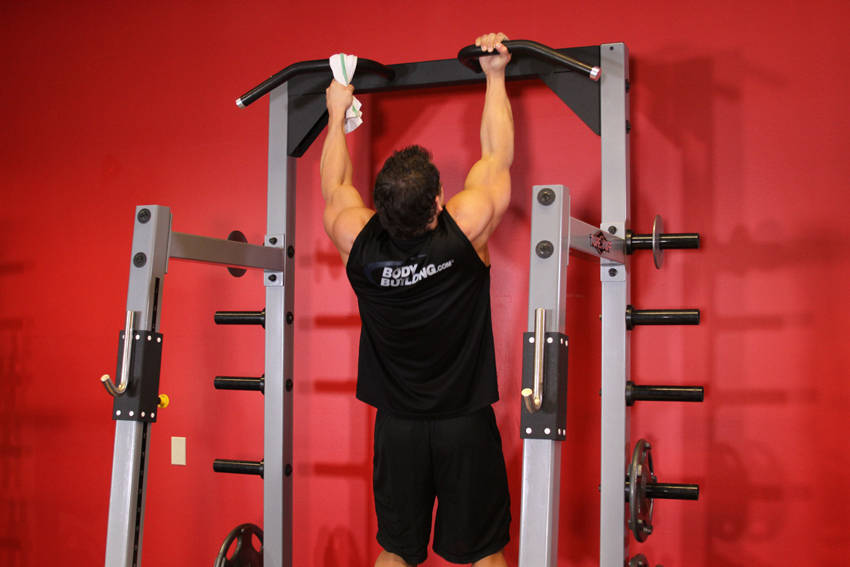
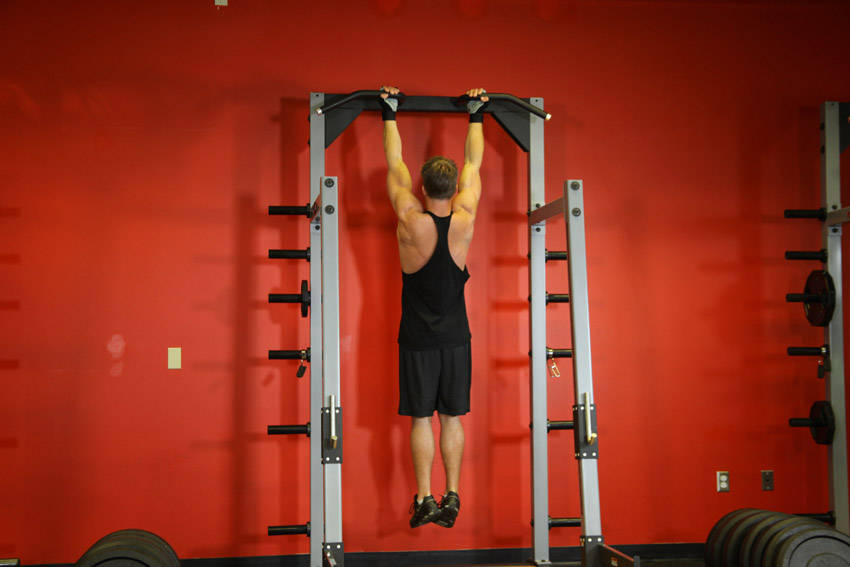
- Grab a pull up bar with your palms facing you, using a grip a little closer than shoulder width.
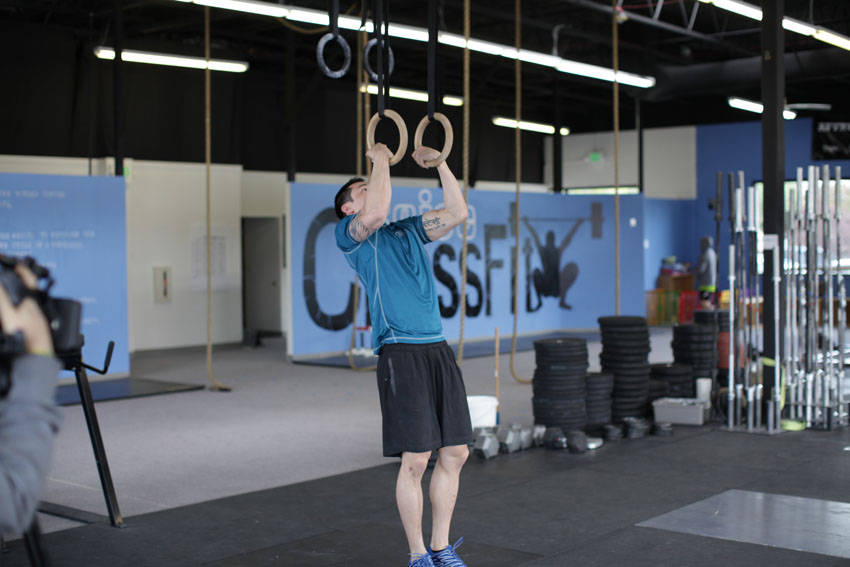
- Hang with your arms fully extended, chest slightly out and a small curve in your lower back; this is your starting position.
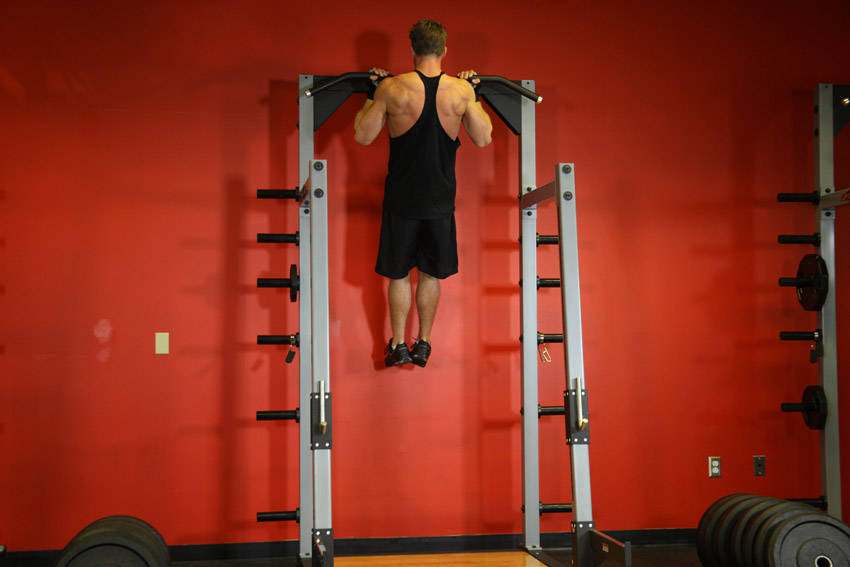
- Pull your torso up as you breathe out, keeping your elbows close to your body.
- Continue until your chin is near the level of the bar, focusing on using your arms and back rather than swinging.
- Hold the top position briefly and squeeze your back and biceps.
- Lower yourself back down slowly under control as you breathe in, fully extending your arms before the next rep.
Original library instructions (5 steps)
- Grab the pull-up bar with the palms facing your torso and a grip closer than the shoulder width.
- As you have both arms extended in front of you holding the bar at the chosen grip width, keep your torso as straight as possible while creating a curvature on your lower back and sticking your chest out. This is your starting position. Tip: Keeping the torso as straight as possible maximizes biceps stimulation while minimizing back involvement.
- As you breathe out, pull your torso up until your head is around the level of the pull-up bar. Concentrate on using the biceps muscles in order to perform the movement. Keep the elbows close to your body. Tip: The upper torso should remain stationary as it moves through space and only the arms should move. The forearms should do no other work other than hold the bar.
- After a second of squeezing the biceps in the contracted position, slowly lower your torso back to the starting position; when your arms are fully extended. Breathe in as you perform this portion of the movement.
- Repeat this motion for the prescribed amount of repetitions.
Common mistakes
- Using momentum to swing the body upward; keep the movement controlled from a still hang.
- Stopping short of full arm extension at the bottom; complete the full range on every rep.
- Letting the elbows flare out to the sides; keep them tracking close to your torso.
- Attempting full reps before you can hold a hang comfortably; build up with assisted versions first.
Sets and reps by goal
| Goal | Sets, reps and rest |
|---|---|
| Strength | 3 to 5 sets of 3 to 6 reps, 2 to 3 minutes rest |
| Muscle | 3 to 4 sets of 6 to 10 reps, 90 seconds rest |
| Endurance | 2 to 3 sets of 10 to 15 reps, 60 seconds rest |
Ranges, not prescriptions. Start at the low end and add a set or a rep when every set feels controlled.
Tips
- If a full chin up is too hard at first, use a resistance band or an assisted machine to build up strength.
- Keep your torso as still as possible, letting your arms do all the pulling work.
In the app: this exercise is one of 873 in GymPilot's library, with the same photos, form cues and a link back to the moment in an imported video it came from.
Questions
Is the chin up good for beginners?
It can be difficult for a true beginner, but assisted versions or a band can help you build toward a full unassisted rep.
Chin up vs pull up, which is better?
Both build the back well. The chin up grip brings in more biceps and is often a little easier, while the pull up grip focuses more on the back.