Pullups
A classic bodyweight back exercise where you pull your chin over a bar using an overhand grip. It builds serious pulling strength and suits anyone who already has some upper body base fitness.
- Primary musclesBack
- Secondary musclesBiceps
- EquipmentBodyweight
- LevelBeginner · compound
How to do the pullups
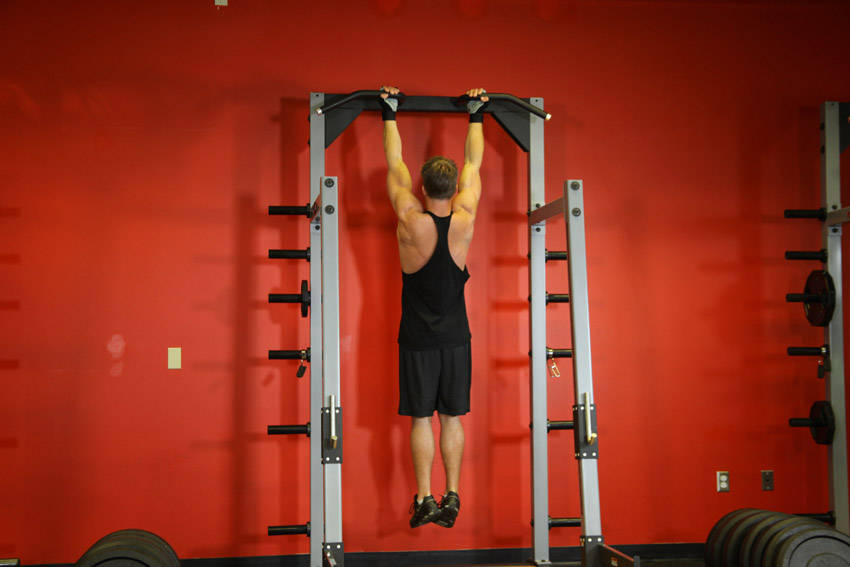
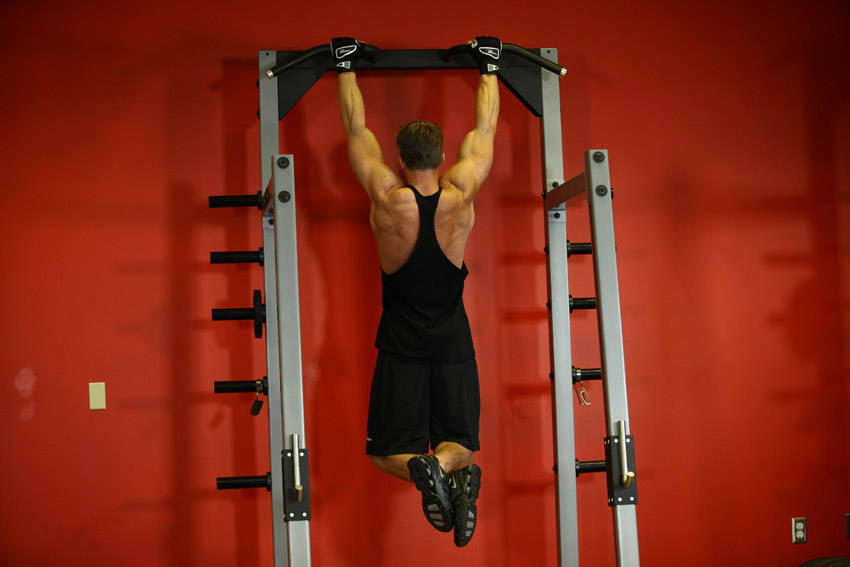
- Grab the bar with an overhand grip a bit wider than shoulder width and hang with your arms fully extended.
- Set your shoulders back slightly and brace your core so your body stays fairly still.
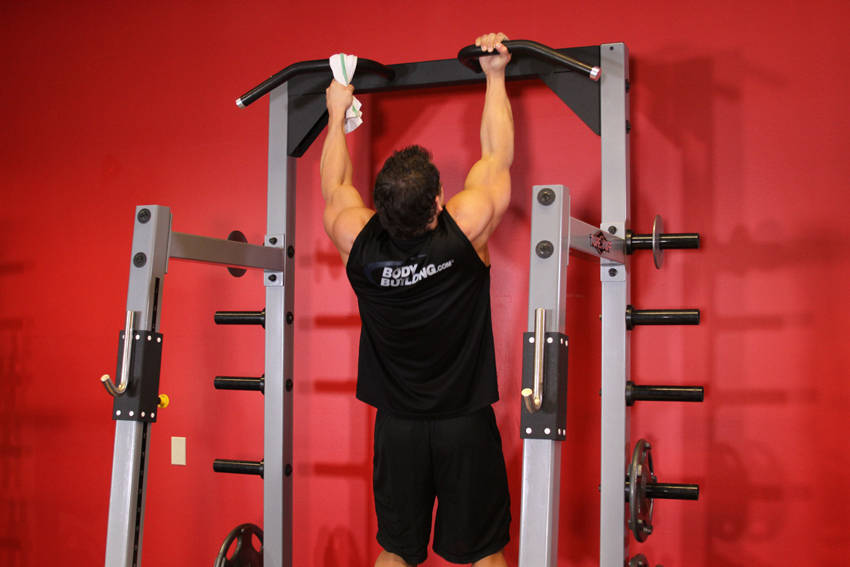
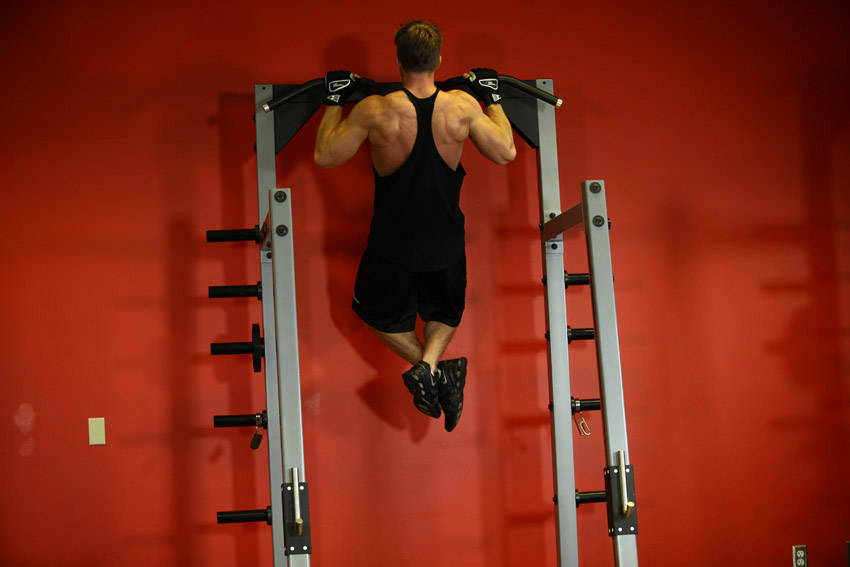
- Pull your chest up toward the bar by driving your elbows down and back.
- Continue until your chin clears the bar, squeezing your back muscles at the top.
- Lower yourself back down slowly until your arms are fully extended again.
- Repeat for the rest of your set without kicking your legs to gain momentum.
Original library instructions (5 steps)
- Grab the pull-up bar with the palms facing forward using the prescribed grip. Note on grips: For a wide grip, your hands need to be spaced out at a distance wider than your shoulder width. For a medium grip, your hands need to be spaced out at a distance equal to your shoulder width and for a close grip at a distance smaller than your shoulder width.
- As you have both arms extended in front of you holding the bar at the chosen grip width, bring your torso back around 30 degrees or so while creating a curvature on your lower back and sticking your chest out. This is your starting position.
- Pull your torso up until the bar touches your upper chest by drawing the shoulders and the upper arms down and back. Exhale as you perform this portion of the movement. Tip: Concentrate on squeezing the back muscles once you reach the full contracted position. The upper torso should remain stationary as it moves through space and only the arms should move. The forearms should do no other work other than hold the bar.
- After a second on the contracted position, start to inhale and slowly lower your torso back to the starting position when your arms are fully extended and the lats are fully stretched.
- Repeat this motion for the prescribed amount of repetitions.
Common mistakes
- Kipping or swinging the legs to build momentum; keep the body controlled and let the back do the work.
- Only lowering halfway before pulling again; a full stretch at the bottom trains the back through its full range.
- Letting the shoulders shrug up toward the ears at the bottom; keep them set and engaged even when hanging.
- Rushing the descent; lower yourself with the same control you use to pull up.
Sets and reps by goal
| Goal | Sets, reps and rest |
|---|---|
| Strength | 3 to 4 sets of 3 to 6 reps, 2 to 3 minutes rest |
| Muscle | 3 to 4 sets of 6 to 10 reps, 90 seconds rest |
| Endurance | 2 to 3 sets of 10 to 15 reps, 60 to 90 seconds rest |
Ranges, not prescriptions. Start at the low end and add a set or a rep when every set feels controlled.
Tips
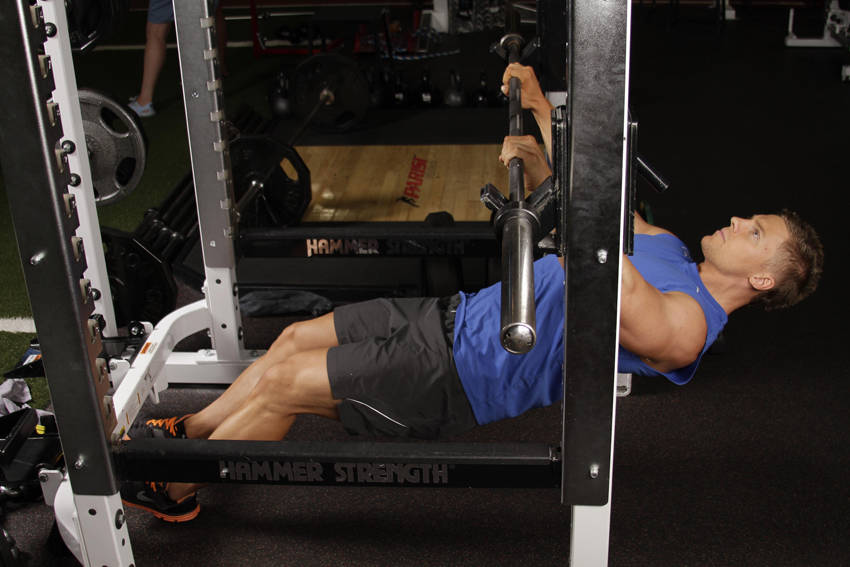
- Use a resistance band looped under your foot for assistance if you cannot yet do a full rep unassisted.
- Save a pull up focused session in GymPilot once you find a rep scheme that works for your level.
In the app: this exercise is one of 873 in GymPilot's library, with the same photos, form cues and a link back to the moment in an imported video it came from.
Questions
Are pullups good for beginners?
They can be hard for beginners without much pulling strength yet. Band assisted or negative pull ups are a good way to build toward a full rep.
What muscles do pullups work?
They mainly target the back, with the biceps assisting heavily as the elbows bend to pull your body up toward the bar.